Fine Wasn’t Enough: Why I Chose West Point
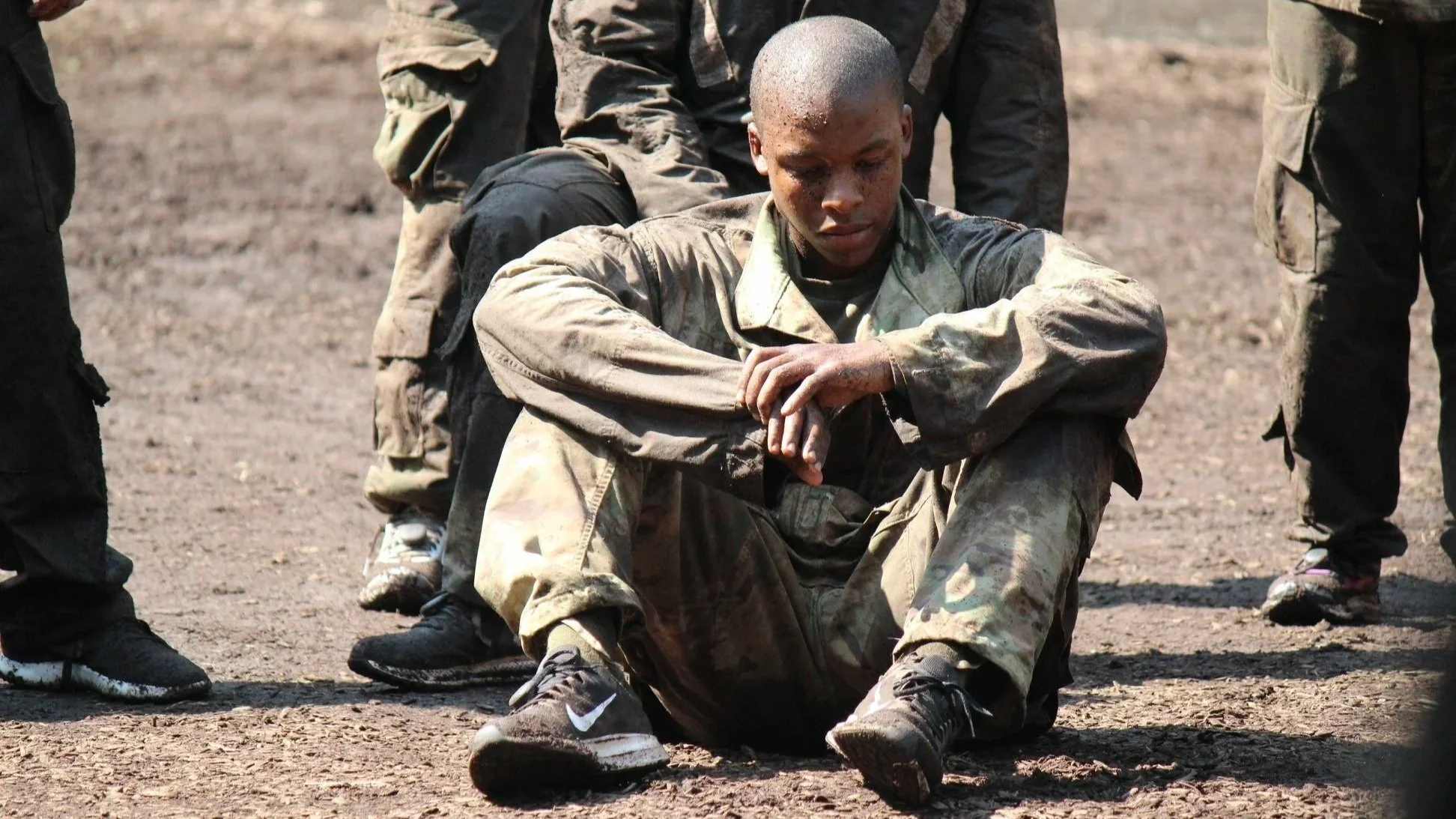
A moment during Cadet Basic Training Combatives at Camp Buckner.
Curiosity
I didn’t grow up planning to attend West Point. I didn’t even know what it was until my junior year of high school. I aspired to be like my brother, who was going through Reserve Officers' Training Corps (ROTC) to become an Army officer, but one day I came across a website that introduced me to the institution.
I remember scrolling through it, trying to understand what made it different. What drew me in wasn’t the history, uniform, or prestige that I learned about later, but the kind of people the school seemed to produce. The standards, expectations, and difficulty created a sense of curiosity that I hadn’t experienced before.
It wasn’t really about the institution itself, but who I might become inside an environment like that.
Doing Fine
My senior year of high school reflected the effort I had put in over time. I had a solid GPA, was involved in multiple extracurricular activities, and achieved SAT scores that positioned me well for college admissions. I got into several strong schools and earned scholarships that made the decision feel straightforward.
On paper, everything pointed in a clear direction. But I remember sitting with those options and still feeling drawn back to the idea of West Point, even when I couldn’t fully explain why.
I had always envisioned a traditional college experience, and I saw a clear path by following in my brother’s footsteps through ROTC. I heard nothing but positive things from him, and I knew it would lead to success with the ability to serve in a positive way. At the same time, I felt pulled toward something different. West Point represented a level of accountability and structure that I hadn’t experienced before, and I began to question whether the more comfortable path would truly challenge me in the way I needed.
I recognized that there were multiple paths that could lead to success, but I felt a responsibility to choose the one that aligned with who I wanted to become, not just what made the most sense to everyone else.
Accountability
Visiting West Point during my senior year exposed me to an environment where accountability was the standard rather than a choice. I remember observing how little room there was to avoid responsibility, whether physical or mental. The expectation was clear. You would be tested, and you would be held to a standard.
I found myself drawn to that. Not because it seemed appealing in the moment, but because I could sense it would force me to grow in ways I hadn’t experienced before. Structure meant there was no way to hide from being in an environment where there was no real way to step outside of the standard.
Being surrounded by people working toward the same end state created a shared pressure that I saw as an opportunity rather than a burden. I didn’t expect perfection from myself or anyone else, but I believed that consistently being held accountable would build a level of readiness that extended beyond academics or physical performance.
I didn’t choose West Point because I needed direction. I chose it because I wanted accountability and was willing to sacrifice comfort in order to grow into the person I believed I could become.

Receiving a conditional offer of admission to West Point during my high school visit.
Subtraction
Every decision comes with tradeoffs. While I did not fully understand that at the time, I knew certain things would have to be removed from my life in order to handle the demands of West Point.
That meant letting go of things I had previously made time for: video games, extended downtime, and even how often I spent time with certain people. There were nights where choosing to study instead of relax felt like a small decision, but over time those decisions began to define the experience.
The environment reinforced this constantly. While many college students spent weekends socializing, we were often training or preparing for what came next. Even outside of training, there were still hours of studying and responsibilities to manage. It wasn’t always enjoyable, but that was part of what made the experience meaningful.
At the same time, I learned that subtraction did not mean removing everything that brought fulfillment. I was still able to build strong relationships and find moments of enjoyment, whether through time with my Judo team or simply being around classmates who shared the same environment. It required intention, but it was necessary.
Growth required subtraction, but it also required understanding what was worth keeping.
Tension
At times, I questioned whether I had what most people would consider balance. I grew to dislike wasting time, especially on activities that I felt had no clear return. Calendars and to-do lists became rigid structures, and I remember feeling frustrated when anything disrupted them. Even small deviations felt unnecessary, as if time was being lost rather than used intentionally.
Over time, I became more aware of that mindset and the limitations it created. I had to make a deliberate effort to ensure I was not neglecting parts of my life that did not have measurable outcomes. Phone calls with family, time spent with friends, and experiences outside of West Point became just as important, even when I felt conflicted about stepping away from productivity.
I came to understand that productivity alone is not enough. There will always be another task, another goal, or another standard to meet. Without intention, it becomes easy to overlook the moments that contribute to a sense of fulfillment.
I am still learning what balance looks like. The tension between rest and action has not gone away, but I have come to see that being aware of it is what matters most.
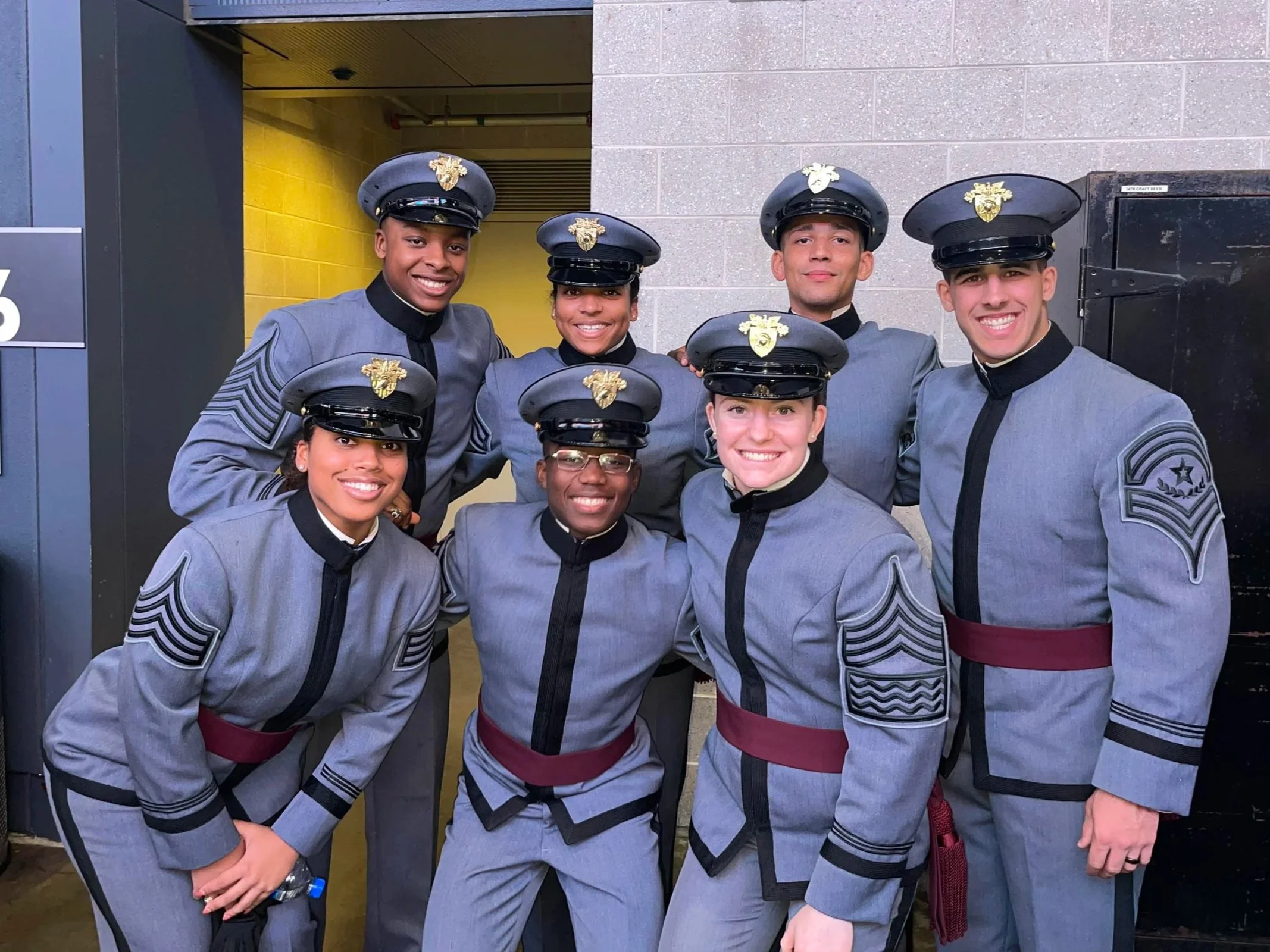
Classmates/Judo teammates during our final Army/Navy Football game as cadets.
Responsibility
I understood that improvement required time and exposure to responsibility. West Point provided opportunities to lead in positions of increasing scale, but those opportunities only existed because of people who encouraged me to step into them. I wanted to improve my ability to communicate, lead larger teams, and set an example for others.
At the same time, there were moments where I felt like I did not belong. I knew I wasn’t alone in that feeling.
During one summer, I was selected to serve as the Cadet Basic Training commander, responsible for guiding peers, new cadets, and briefing over a thousand people at times. Standing in front of those audiences, I remember questioning whether I truly belonged in that position. Imposter syndrome was the default.
The only way I knew how to manage it was to separate myself from the role. I stopped focusing on how I felt and instead focused on what the position required. In my mind, anyone could have been placed in that role and it just happened to be me at that time.
Over time, that shift began to change how I approached leadership. The responsibility felt larger than my personal discomfort, and that perspective helped anchor my confidence and steady my decision-making. When I later served in a similar position during the academic year, I approached it differently. The doubt was still present, but it no longer dictated how I performed.
It became clear to me that while leadership positions at West Point are part of a constructed environment, their impact is real. The experience did not make me better than anyone else, but it forced me to take ownership of responsibility in a way I had not before. It was the growth I had been seeking from the beginning.
West Point did not complete that process, but it set the conditions for how I would approach the challenges that followed.

Pass in Review as academic year First Regimental Cadet Commander with fellow regimental staff.
Pattern
Looking back, I began to recognize a pattern in the decisions I was making. I consistently chose environments that would challenge me to grow, not simply because they were difficult, but because I believed there was meaning in what they demanded.
I was most influenced by leaders who demonstrated consistency between what they expected and how they lived. That standard shaped how I viewed my own responsibility. It did not feel right to expect others to pursue growth or maintain discipline if I was not willing to do the same.
Accountability became a recurring theme across different experiences. Each environment reinforced the idea that growth requires intentional exposure to challenge, not avoidance of it. Choosing the more comfortable path may reduce friction in the short term, but it also limits the opportunity to develop.
I came to see that there is always a choice between drifting and acting. While both exist, choosing to act, even when it is uncomfortable, creates the conditions for growth that extend beyond the immediate situation.
Hindsight
It would be difficult for you to fully understand what will be required. Life will continue to present uncertainty, but certain decisions will shape how you respond to it. West Point will serve as one of those experiences, but it will not be the only one, nor the most defining on its own.
You will build confidence through exposure to challenges, both there and beyond. Some of the sacrifices will be clear, while others you will only recognize in hindsight. At times, it will not feel worth it, but those moments will pass.
You will learn that growth is less about reaching a final state and more about continuing to move forward with intention. The desire to improve will not go away, and over time you will come to accept that as part of who you are.
You won’t fully know what you’re getting into, but you will figure it out.
